
A certificate can be valid under STCW and still fail to meet a vessel operator’s hiring requirement. That is why Panama approval vs Liberia approval is not simply a question of which flag is better. It is a question of whether your training, certificate, and supporting documents match the flag, company, vessel type, and position connected to your next contract.
For seafarers moving quickly between assignments, the practical risk is delay. A course may be suitable for one employer but not accepted for another if the approval pathway does not match the vessel’s flag administration or the company’s documented crewing policy. Understanding the difference before you enroll protects your time, your money, and your readiness to join.
What Flag Approval Means for STCW Training
Panama and Liberia are major flag administrations with large international fleets. Each administration sets requirements for seafarer certification under the International Convention on Standards of Training, Certification and Watchkeeping, commonly called STCW. They also authorize or recognize training providers and establish processes for issuing, endorsing, or accepting certificates for service on vessels under their flag.
When a course is described as Panama-approved or Liberia-approved, that approval normally relates to the authority under which the training provider delivers the program and the certificate pathway it supports. It is evidence that the training is connected to the standards and administrative controls required by that flag administration.
Approval matters because maritime employment is document-driven. Before joining, a crewing department may review course certificates, certificate numbers, issue dates, medical documents, passport details, seaman’s book information, and any required flag endorsements. The goal is not only to confirm that you completed training. The company must confirm that you are eligible to serve in the assigned role on that vessel.
Panama Approval vs Liberia Approval: The Core Difference
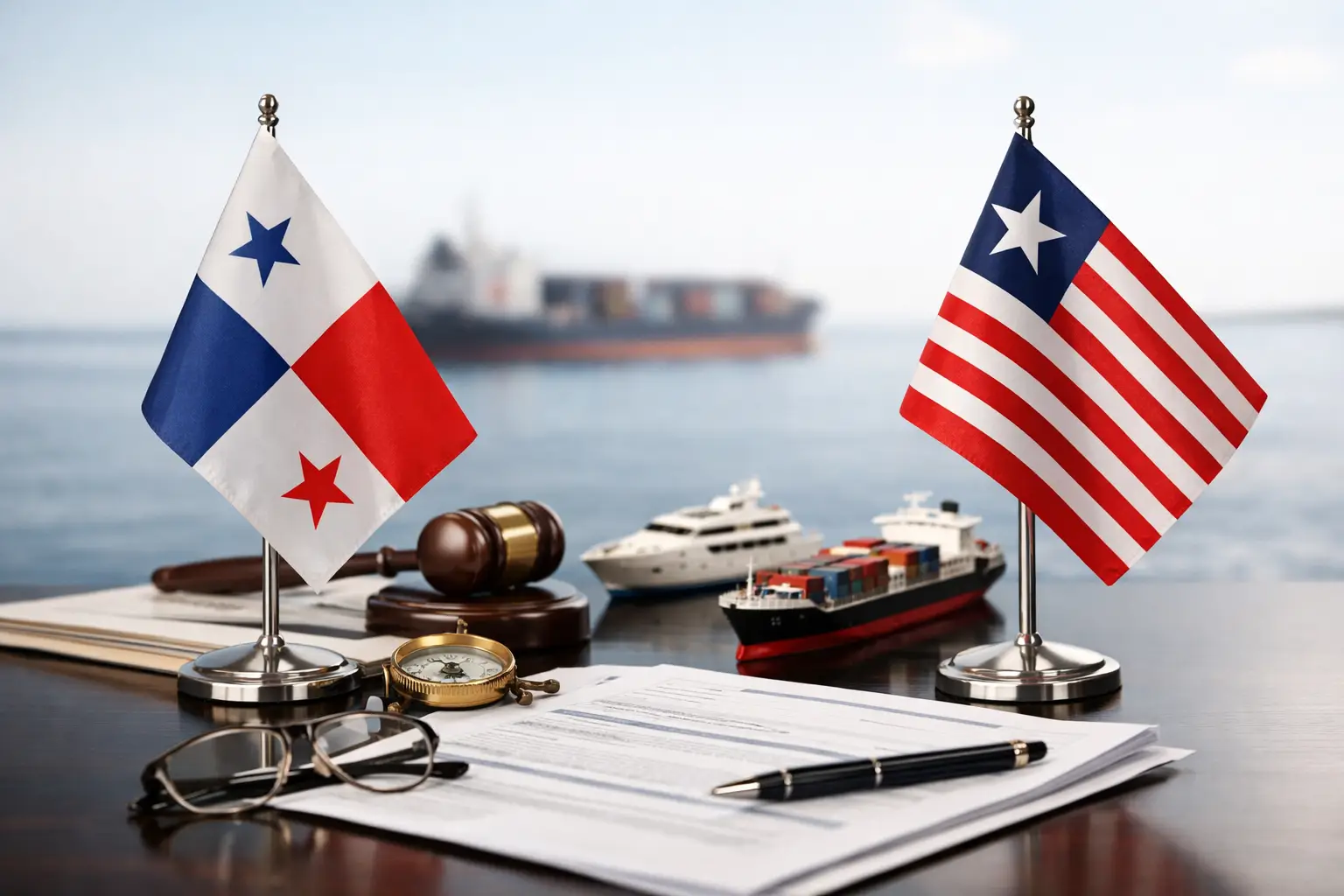
The core difference is the flag administration behind the approval and the vessel registry it serves. Panama approval is designed to support compliance for personnel serving under the Panamanian flag. Liberia approval is designed to support compliance for personnel serving under the Liberian flag.
Neither label automatically makes a course universally preferable. Both flags operate internationally and both are widely used in commercial shipping. The right option depends on the vessel you are joining, the employer’s requirements, the certificate you need, and whether the company has specified a required provider, course code, or approval type.
For example, a seafarer scheduled to join a Liberia-flagged vessel should not assume that any generic STCW course is sufficient. The crewing team may require a Liberia-approved course, a Liberia-recognized certificate, or a specific flag endorsement process. Likewise, a Panama-flagged vessel may require training and documentation aligned with Panama Maritime Authority requirements.
The fastest path is usually the most specific one: complete the program that your employer, vessel flag, and job role require. Do not choose based only on price, course duration, or a broad claim of international acceptance.
Approval Is Not the Same as Employment Acceptance
This distinction prevents many avoidable problems. A training provider’s approval status confirms something meaningful, but it does not replace the employer’s final acceptance decision. Shipowners, cruise operators, offshore contractors, and manning agencies can set requirements that go beyond the minimum flag standard.
They may require a current certificate, particular refresher training, company-specific familiarization, a certain delivery method, original documentation, or a verification process completed before travel. Requirements can also differ between ranks. A course that supports an entry-level role may not meet the documentation needs of an officer, designated security duty holder, or crew member assigned specialized safety responsibilities.
Treat the vacancy notice, joining instructions, and crewing email as your operating checklist. If they name a flag approval, follow that requirement exactly. If the instruction is unclear, ask for confirmation before you enroll.
How to Choose the Right Approval for Your Contract
Start with the vessel flag. This is the clearest first filter because flag-state requirements directly affect certification and endorsement. If you have a letter of employment, joining instruction, or crew assignment, look for the vessel name, IMO number, flag, rank, and required certificates.
Next, identify the precise course requirement. “Basic safety” or “security training” can sound straightforward, but the course title alone may not tell you whether a refresher is required, whether security duties are included, or whether the course must be approved under a particular administration. Match the full course requirement, not just a familiar abbreviation.
Then confirm the certificate outcome before paying. You should know who issues the certificate, the stated approval or recognition basis, how long processing takes, whether identity verification is required, and what documentation you will receive after completion. If your joining date is close, also confirm when the certificate becomes available and whether the employer needs a digital copy, a physical copy, or both.
Finally, check for company instructions. A company may accept either Panama- or Liberia-approved training for a particular role, or it may restrict acceptance to one route. If it has a preferred provider list, use it. A technically valid certificate can still create administrative delay if it does not align with the company’s internal process.
Questions to Ask Before You Enroll
A short confirmation message to your crewing coordinator can prevent days of rework. Ask whether the vessel requires Panama approval, Liberia approval, or another specified flag pathway. Confirm the exact STCW course or competency required, whether a refresher is acceptable, and whether there are any company-specific training requirements.
Also ask whether you need a flag endorsement in addition to the course certificate. Training completion and authority-issued endorsements are separate steps in many certification pathways. Do not assume that finishing a course automatically gives you every document needed to sign on.
If you are applying before receiving a vessel assignment, choose based on the type of fleet you are targeting. Review the flags commonly used by the employers you are pursuing, but keep your decision practical. A flag-approved course is most valuable when it supports an actual hiring path rather than adding another certificate to a folder without a defined purpose.
Delivery Method and Verification Matter
Online training can reduce travel and help seafarers use limited time between contracts. However, the delivery method must still meet the approval conditions for the specific course. Some programs can be completed through approved digital learning with controlled assessment, identity checks, virtual simulation, or other required verification. Others may require practical assessment, supervised components, or attendance at an approved facility.
Do not rely on the word “online” alone. Verify that the course format is permitted for the certificate you need and that the provider can explain the assessment and verification process clearly. A compliant digital course should not leave you guessing about how your identity was checked, how competence was assessed, or what certificate will be issued.
This is where a focused platform can save time. Marine Pro Academy provides Panama- and Liberia-approved, IMO-compliant training pathways through a digital system built for working seafarers, with clear support around certification requirements and documentation. The value is not only studying remotely. It is being able to move from enrollment to a traceable, job-ready certificate process without unnecessary friction.
Common Mistakes That Create Joining Delays
The most common error is enrolling in a course before checking the vessel’s flag and the employer’s written requirement. The second is assuming that one approval covers every flag, vessel, or position. The third is overlooking expiry dates, refresher requirements, or the need for an additional endorsement.
Another frequent problem is waiting until travel is already booked. Even when training can begin immediately, assessment, certificate issuance, document review, and employer verification can take time. Start as soon as you know the likely requirement, especially if your documents are close to expiry or you are changing fleet segments.
Keep clean digital copies of every certificate, along with your passport and other employment documents, in a secure folder you can access while traveling. Reliable connectivity also matters here. A missed email requesting a corrected certificate or additional document can become a missed joining date.
Choose for the Vessel, Not the Label
Panama and Liberia approval both carry practical value in international shipping, but the correct choice is always tied to the job in front of you. Confirm the flag, match the exact course requirement, verify the certificate pathway, and leave enough time for documentation checks.
Your next contract should not be delayed by a certificate that was close, but not correct. Choose the approval route that matches your vessel and employer requirements, complete the process early, and keep every document ready to send when crewing calls.
Leave a Reply