
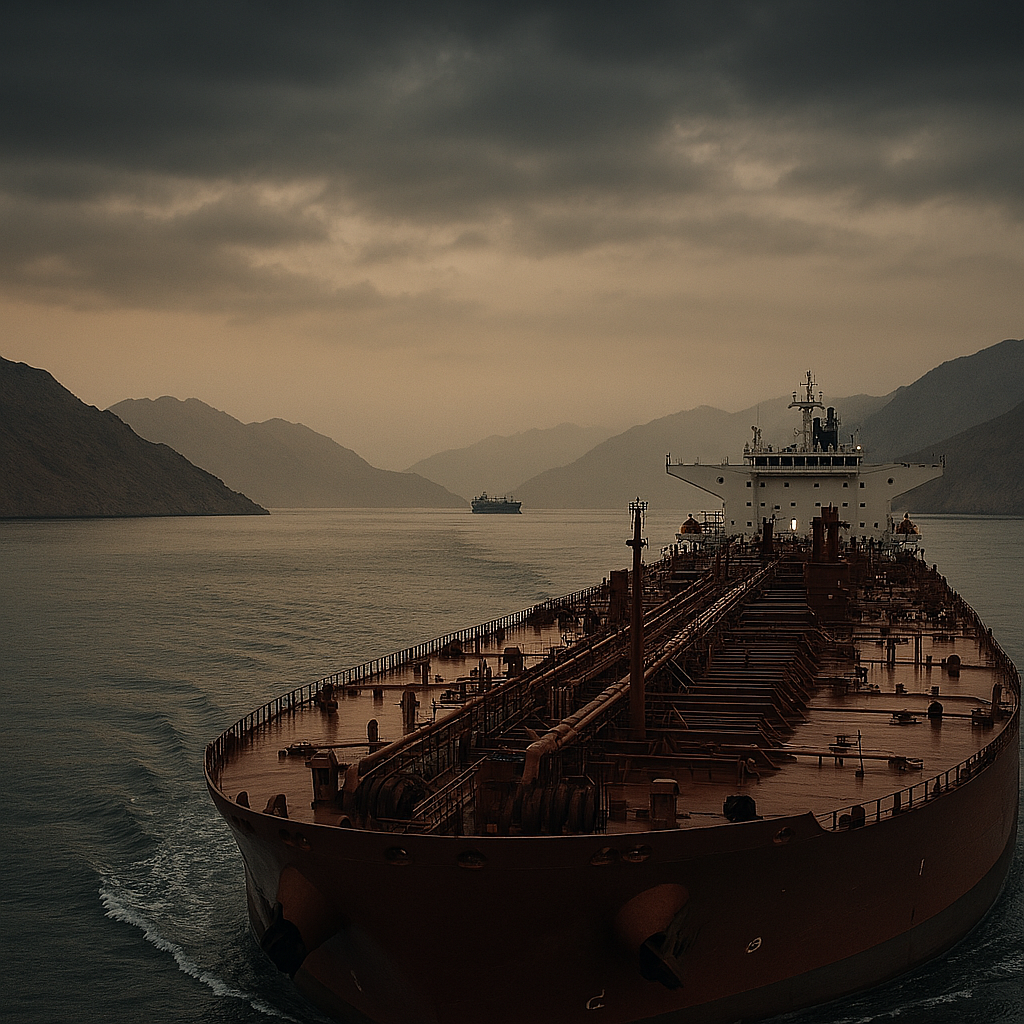
The maritime world is entering one of its most unstable periods in recent years. Rising tensions involving Iran, the United States, and regional actors have turned the Strait of Hormuz and the wider Gulf region into a high‑risk operational environment. For seafarers, this is not just a geopolitical headline—it directly affects safety, routing, insurance, and day‑to‑day life onboard.
This article explains what is happening, why it matters, and what every seafarer should understand as the situation continues to evolve.
The Strait of Hormuz: Why This Region Matters
The Strait of Hormuz is one of the most critical maritime chokepoints in the world. A significant percentage of global oil and LNG passes through this narrow corridor. Any disruption—political, military, or navigational—has immediate global consequences.
Recent escalations have led to:
- Increased military presence in the region
- Heightened risk of vessel interception
- Rerouting of commercial traffic
- Insurance complications and rising war‑risk premiums
- Operational delays and uncertainty for crews
For seafarers, this means the environment is no longer routine—it is dynamic, unpredictable, and requires heightened awareness.
What Is Happening Right Now
The current crisis has created several operational challenges that directly affect vessels and crew.
- Rerouting and Delays
Many vessels are avoiding the Strait of Hormuz entirely, choosing longer, safer routes. This affects schedules, crew changes, and port calls.
- Increased Military Activity
Naval forces from multiple countries are operating in the region. This increases the likelihood of inspections, communication challenges, and unexpected encounters.
- AIS Spoofing and GPS Interference
The Gulf region has seen a rise in:
- GPS signal loss
- AIS manipulation
- “Dark” vessel activity
- Electronic interference
These issues complicate navigation and situational awareness.
- Higher Security Levels
Companies are raising ISPS Code security levels, especially when transiting high‑risk zones. This affects:
- Watchkeeping
- Access control
- Deck patrols
- Emergency readiness
- Insurance and War‑Risk Zones
War‑risk premiums have increased, and some insurers are limiting coverage. This affects vessel operations and crew deployment.
What This Means for Seafarers
The crisis impacts seafarers in several practical ways.
- More Stressful Transits
Transiting a high‑risk area requires discipline, vigilance, and clear communication.
- Changes in Daily Routine
Security levels may require:
- Additional watches
- Restricted deck access
- Modified lighting
- Increased reporting
- Emergency drills
- Higher Expectations from Employers
Companies expect crew to understand:
- Threat indicators
- Communication protocols
- Emergency actions
- ISPS escalation procedures
- Career Opportunities
Seafarers with crisis‑readiness training become more valuable for:
- Tankers
- Offshore vessels
- LNG carriers
- High‑risk contracts
- Companies operating near conflict zones
Key Risks Seafarers Should Understand
- Interception or Boarding Attempts
Vessels may be approached by unknown craft or military units. Crew must know how to respond calmly and professionally.
- Electronic Navigation Disruptions
GPS jamming and AIS spoofing can create:
- False positions
- Course deviations
- Confusion on the bridge
Understanding these risks is essential.
- Miscommunication with Naval Forces
Multiple navies operate in the region. Clear, professional communication is critical to avoid misunderstandings.
- Psychological Stress
Uncertainty, long delays, and heightened security can affect morale and mental well‑being.
What Seafarers Should Do to Stay Prepared
- Stay Informed
Understanding the situation reduces fear and improves decision‑making.
- Follow Company Security Procedures
ISPS Code compliance is essential in high‑risk zones.
- Strengthen Situational Awareness
Bridge teams must be alert to unusual vessel behavior, electronic anomalies, and communication patterns.
- Complete Crisis‑Ready Training
Seafarers who understand:
- War‑risk navigation
- AIS/GPS interference
- ISPS Level 2/3 procedures
- Threat recognition
- Emergency communication
are better prepared and more employable.
Why Crisis‑Ready Training Matters Now
The maritime industry is facing a knowledge gap. Most seafarers have never operated in a modern conflict zone. Traditional STCW training does not cover:
- AIS spoofing
- GPS jamming
- Drone threats
- Naval interception
- War‑risk insurance
- Crisis routing decisions
This is why specialized crisis‑readiness training is becoming essential—not optional.
Seafarers who understand the operational reality of the Iran–Hormuz crisis will be safer, more confident, and more competitive in the job market.
Final Thoughts
The Iran–Hormuz crisis is reshaping global shipping in real time. For seafarers, the best response is knowledge, preparation, and professional readiness. Understanding the risks—and knowing how to act—can make the difference between confusion and confidence during high‑risk operations.

Leave a Reply